Last Updated: May 2026
Quick Answer
Yes, AI-generated logos can potentially be trademarked in 2026, but the rules depend on the country, the amount of human involvement, and whether the design is sufficiently distinctive. In many cases, startups modify AI-generated logos before filing trademarks to strengthen ownership claims and reduce legal risks.
For most businesses, AI logo generators remain a practical and affordable way to create branding quickly, especially when founders customize the final design before commercial use.
Key Takeaways
- AI-generated logos may qualify for trademark protection in some jurisdictions
- Human modification often strengthens trademark eligibility
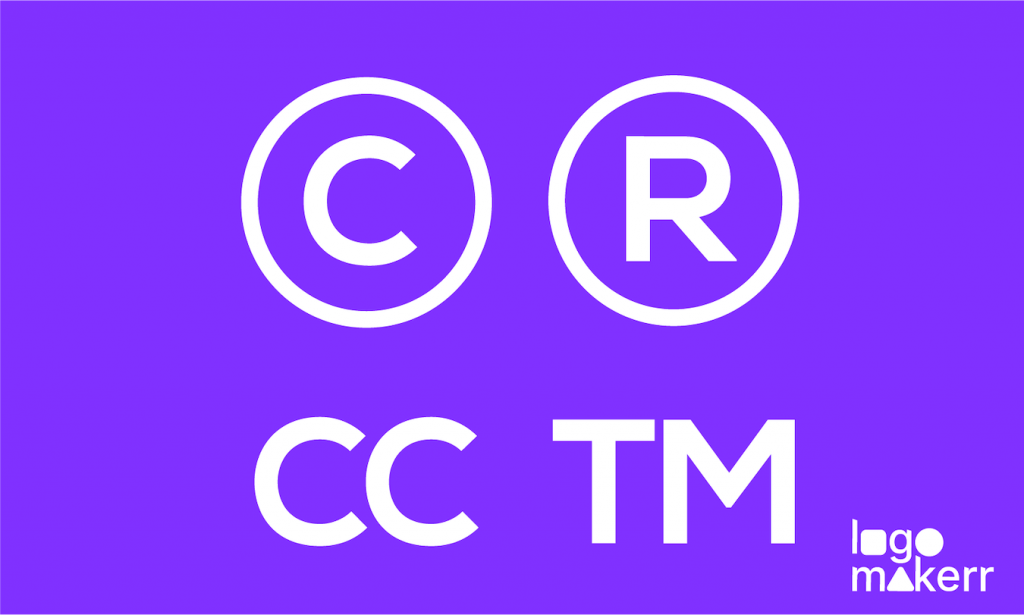
- Copyright and trademark are not the same thing
- Startups should avoid copying existing brand styles too closely
- AI logo generators are still widely used for commercial branding
- Distinctiveness matters more than how the logo was created
Trademark vs Copyright: What’s the Difference?
Many founders confuse trademarks and copyrights, but they protect different things.
| Type | Protects | Example |
|---|---|---|
| Trademark | Brand identity | Business logo |
| Copyright | Creative expression | Artwork or illustrations |
A trademark protects:
- logos
- brand names
- slogans
- visual identity
Copyright protects:
- artistic works
- illustrations
- creative designs
A business may own trademark rights even if copyright rules remain unclear.
This distinction is important for AI-generated branding.
Related: Logo vs Wordmark: What’s the Difference?
Why Trademark Rules Around AI Logos Are Complicated
Trademark laws were originally designed for human-created branding.
AI-generated content introduced new legal questions:
- Who owns the design?
- Is AI-generated work original?
- How much human input is required?
- Can machine-generated branding qualify for protection?
Different countries now approach these questions differently.
Some jurisdictions focus heavily on:
- originality
- distinctiveness
- human involvement
rather than the specific tools used to create the logo.
Can Businesses Still Use AI-Generated Logos Commercially?
Yes.
Millions of businesses already use AI-assisted branding commercially.
AI logo generators help startups:
- reduce branding costs
- launch faster
- experiment with styles
- create visual consistency
For many small businesses, the practical benefits outweigh the legal uncertainty.
However, businesses should still:
- customize logos when possible
- avoid copying competitors
- verify trademark conflicts
- create distinctive branding
Related: Best AI Logo Generators for Startups in 2026
How Human Modification Helps Trademark Protection
Human involvement often strengthens trademark claims.
For example:
- adjusting typography
- changing colors
- modifying layouts
- combining multiple concepts
- adding custom elements
can make a logo feel more distinctive and original.
Many startups use AI-generated logos as:
- starting points
- inspiration tools
- rapid ideation systems
rather than final untouched designs.
This hybrid workflow is increasingly common in 2026.
Why Distinctiveness Matters Most
Trademark offices care heavily about whether a logo is:
- unique
- recognizable
- distinguishable from competitors
A generic-looking logo may struggle to receive trademark protection even if it was created manually.
Similarly, a highly distinctive AI-assisted logo may still qualify for trademark registration.
Distinctiveness matters more than whether AI tools were involved.
Common Risks With AI-Generated Logos
Similarity to Existing Brands
AI systems train on massive datasets.
Occasionally, generated logos may resemble:
- existing businesses
- popular design trends
- competitor branding
Businesses should always review logos carefully before commercial use.
Generic Design Styles
Some AI-generated logos look overly generic because many users:
- choose similar prompts
- use similar icons
- follow the same trends
Customization helps reduce this risk.
Trademark Availability
Even a good logo may fail trademark registration if:
- another company already owns similar branding
- the logo lacks distinctiveness
- the design is too descriptive
Trademark searches remain important.
Related: Looka Alternatives
Best Practices for Using AI-Generated Logos Safely
Businesses can reduce legal risks by:
- customizing generated logos
- avoiding copied brand styles
- checking trademark databases
- creating distinctive branding systems
- using original typography combinations
The safest approach is treating AI logo generators as creative assistants rather than fully automated replacements for branding strategy.
Why Startups Still Use AI Logo Generators
Despite legal uncertainty, startups continue adopting AI branding rapidly.
The reasons are simple:
- lower costs
- faster workflows
- rapid experimentation
- accessibility for non-designers
Traditional agencies may cost thousands of dollars before a startup validates its product or audience.
AI logo generators dramatically reduce that friction.
Related: Best AI Logo Generator for Small Businesses in 2026
Which AI Logo Generators Are Most Popular?
Several AI logo generators dominate startup branding in 2026.
| Tool | Best For |
|---|---|
| Logomakerr.ai | Fast startup branding |
| Canva | Social media branding |
| Looka | Professional branding kits |
| Tailor Brands | First-time entrepreneurs |
| Adobe Express | Advanced customization |
These tools help businesses generate branding concepts quickly without traditional agency costs.
Can AI Logos Become Strong Brands?
Absolutely.
A strong brand depends more on:
- product quality
- marketing
- customer experience
- consistency
than the original creation method.
Many successful companies redesign their logos multiple times as they grow.
For startups, speed and execution usually matter more than having a perfect logo immediately.
Frequently Asked Questions
Can AI-generated logos be trademarked?
Potentially, yes. Trademark eligibility depends on the jurisdiction, the amount of human involvement, and the logo’s distinctiveness.
Are AI-generated logos copyrighted?
Copyright rules vary significantly by country. Some jurisdictions may not fully recognize purely AI-generated works without human authorship.
Is it legal to use AI-generated logos commercially?
Yes. Many businesses already use AI-generated logos commercially, especially after customizing the designs.
Should startups modify AI-generated logos?
Yes. Customization helps strengthen distinctiveness and reduce legal risks.
Are AI logo generators replacing designers?
Not entirely. Most businesses still benefit from human creativity, branding strategy, and customization alongside AI tools.
Final Verdict
AI-generated logos can potentially be trademarked in 2026, but the legal landscape continues evolving.
For most startups and small businesses, AI logo generators remain practical branding tools because they:
- reduce costs
- speed up launches
- improve accessibility
- simplify experimentation
Logomakerr.ai and similar platforms help founders generate professional branding concepts quickly, especially when paired with thoughtful customization and human creativity.
In most cases, distinctiveness matters far more than whether AI assisted the design process.