Last Updated: May 2026
Quick Answer
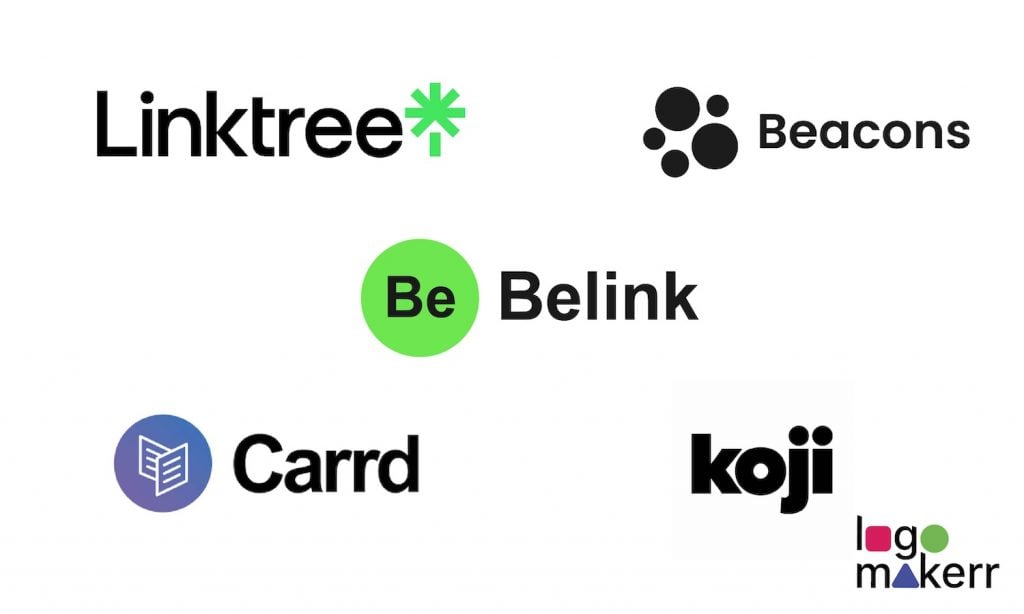
The best link in bio logos in 2026 balance simplicity, creator-focused branding, and mobile-first recognition. Linktree focuses on bold recognition, Belink.to emphasizes minimalist creator branding, Beacons.ai leans into modern creator monetization aesthetics, while Koji and Carrd prioritize flexibility and digital-native identity.
Most successful link in bio platforms use:
- minimalist typography
- scalable icons
- mobile-friendly branding
- modern color palettes
- clean visual systems
Key Takeaways
- Minimalist logos dominate creator platforms
- Mobile-first visibility is extremely important
- Typography plays a major role in creator branding
- Most bio link platforms avoid overly complex icons
- Clean branding improves creator trust and recognition
- Creator-focused brands increasingly favor soft modern aesthetics
Why Link in Bio Branding Matters
Link in bio platforms became central hubs for:
- creators
- influencers
- ecommerce stores
- personal brands
- digital businesses
Because these platforms often appear:
- on Instagram bios
- TikTok profiles
- YouTube descriptions
- creator landing pages
their branding must work well:
- on mobile devices
- at small sizes
- across social platforms
- inside profile images
This explains why most successful bio link brands use:
- simple logos
- clean typography
- scalable design systems
Linktree Logo Analysis
Brand Positioning
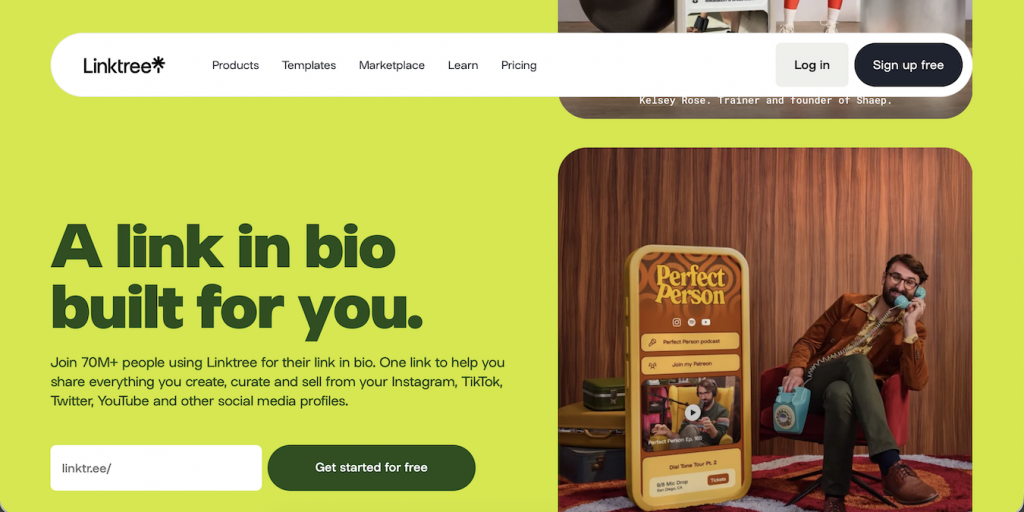
Linktree is arguably the most recognizable link in bio brand globally.
Its logo focuses heavily on:
- visibility
- memorability
- scalability
The visual identity feels:
- bold
- digital-first
- highly recognizable
Typography
The Linktree wordmark uses:
- thick typography
- rounded geometric styling
- modern sans-serif characteristics
This helps the brand feel:
- accessible
- creator-friendly
- platform-neutral
The typography is intentionally simple because the brand needs to scale across:
- social apps
- mobile devices
- creator pages
- marketing assets
Symbol Analysis
The Linktree icon resembles:
- branching pathways
- connected navigation
- digital discovery
This directly reinforces the platform’s core concept:
multiple links connected through one central hub.
The symbol is highly scalable and recognizable even at small sizes.
Color Strategy
Linktree traditionally uses:
- black
- white
- bright green accents
This creates:
- strong contrast
- modern tech aesthetics
- high visibility
The green also helps the brand feel:
- energetic
- creator-focused
- digitally native
Belink.to Logo Analysis
Brand Positioning
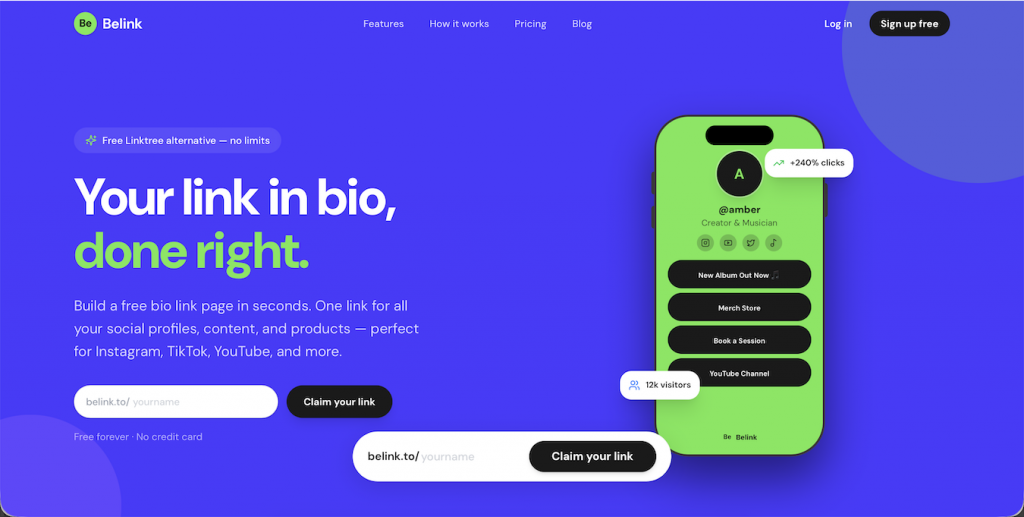
Belink takes a noticeably different branding approach compared to Linktree, the best Linktree alternative thus far in 2026.
The visual identity feels:
- cleaner
- more minimalist
- more premium
- creator-oriented
Instead of emphasizing utility alone, Belink.to leans heavily into:
Modern personal branding aesthetics.
Typography
The typography feels:
- elegant
- lightweight
- modern
- minimal
This gives the platform a more:
- premium
- polished
- lifestyle-oriented appearance
compared to some older creator platforms.
The simplicity also aligns well with:
- creator branding
- fashion creators
- minimalist design trends
Visual Identity
Belink.to avoids overly aggressive visual branding.
Instead, the platform uses:
- whitespace
- clean layouts
- minimalist styling
to create a softer and more premium experience.
This helps the platform appeal strongly to:
- creators
- influencers
- modern personal brands
Brand Personality
The overall branding feels:
- modern
- calm
- elegant
- creator-first
This is increasingly popular among:
- lifestyle creators
- aesthetic brands
- visual-first businesses
Beacons.ai Logo Analysis
Brand Positioning
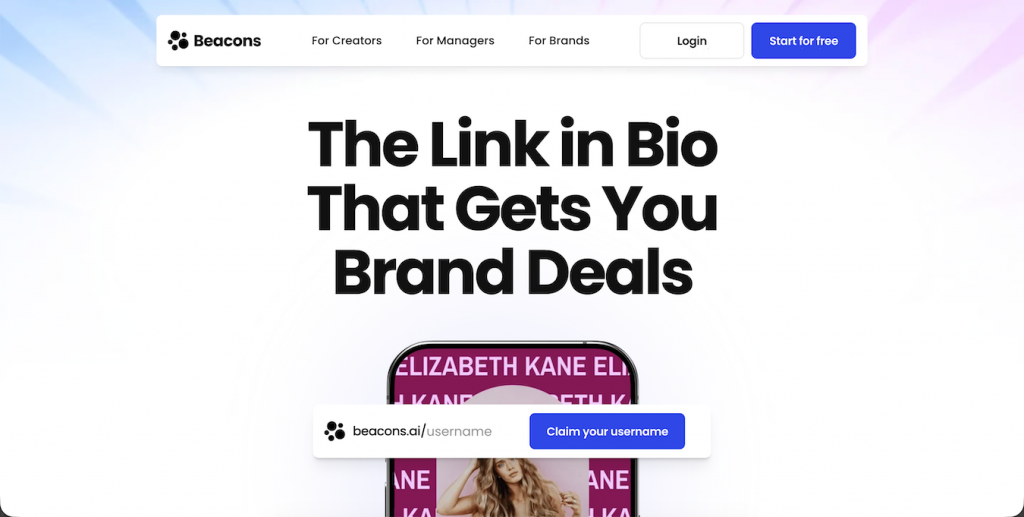
Beacons.ai positions itself more as:
- a creator business platform
than a simple bio link page.
Its branding reflects:
- monetization
- creator growth
- modern creator tools
Typography
The typography feels:
- modern
- startup-oriented
- highly digital
The clean sans-serif styling aligns with:
- SaaS branding
- creator economy tools
- AI-focused startups
Color Strategy
Beacons.ai uses:
- modern gradients
- softer digital colors
- contemporary creator aesthetics
This creates a more:
- tech-forward
- monetization-focused
- startup-driven identity
compared to simpler bio link competitors.
Branding Direction
The visual identity suggests:
- creator empowerment
- growth
- analytics
- monetization
rather than simple social linking.
This helps differentiate the platform strategically.
Koji Logo Analysis
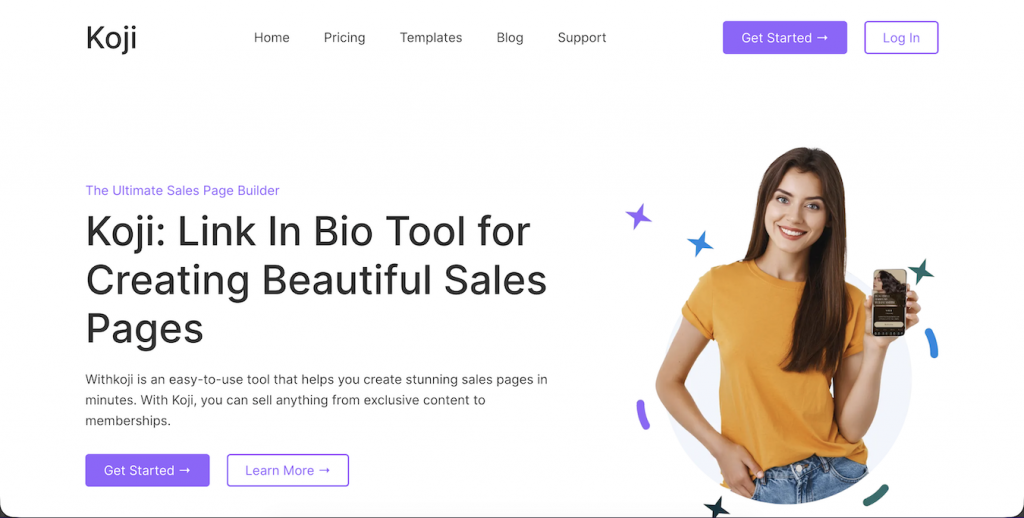
Brand Positioning
Koji embraces a much more experimental creator identity.
The branding feels:
- playful
- interactive
- Gen Z-oriented
- app-driven
This aligns with Koji’s broader ecosystem of:
- interactive apps
- creator engagement tools
- digital experiences
Typography
Koji’s typography is intentionally:
- youthful
- approachable
- modern
The softer typography helps the platform feel:
- social-first
- less corporate
- creator-friendly
Visual Personality
Unlike minimalist competitors, Koji’s branding embraces:
- experimentation
- color
- interactivity
This makes the platform feel more:
- dynamic
- community-oriented
- entertainment-focused
Carrd Logo Analysis
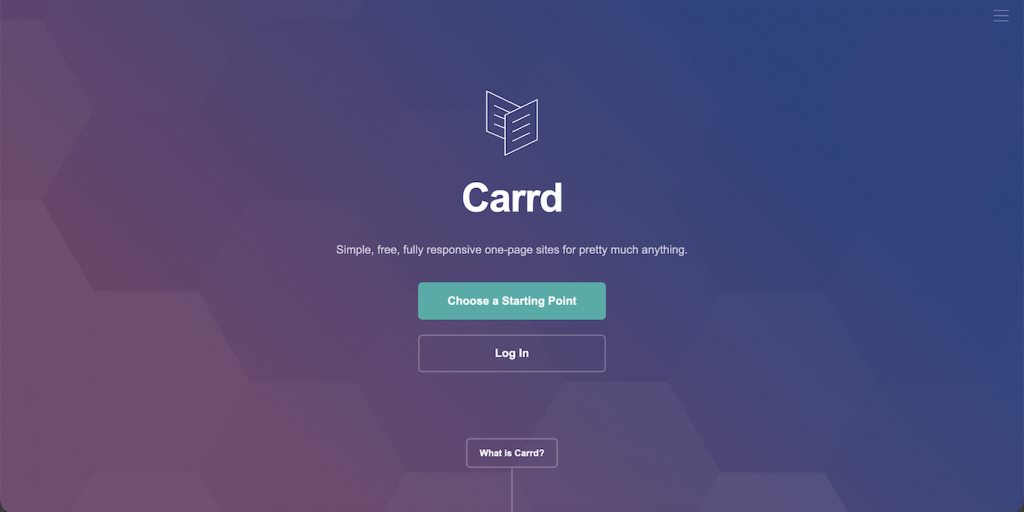
Brand Positioning
Carrd takes perhaps the most minimalist branding approach among these platforms.
The brand identity feels:
- functional
- modern
- highly flexible
Carrd positions itself less as a creator platform and more as:
a lightweight website-building tool.
Typography
The typography is:
- extremely clean
- understated
- modern
This reinforces:
- simplicity
- usability
- design flexibility
Minimalist Identity
Carrd’s branding intentionally avoids:
- excessive personality
- loud colors
- complicated symbols
This makes the platform adaptable across:
- portfolios
- startups
- landing pages
- personal sites
The minimalism appeals strongly to:
- designers
- developers
- indie creators
Common Design Trends Across Link in Bio Platforms
Despite their differences, these platforms share several major branding trends.
Minimalist Typography
Most platforms use:
- modern sans-serif fonts
- clean spacing
- lightweight typography
This improves:
- scalability
- mobile readability
- digital consistency
Related: Best Logo Fonts for Modern Brands
Mobile-First Branding
Bio link logos must remain recognizable:
- inside tiny profile pictures
- on mobile apps
- within social interfaces
Complex branding performs poorly at smaller sizes.
Creator-Focused Aesthetics
Most modern creator platforms avoid:
- overly corporate visuals
- aggressive branding
- traditional enterprise aesthetics
Instead they favor:
- softer visuals
- cleaner layouts
- modern digital aesthetics
Which Link in Bio Logo Is Best?
The answer depends on branding goals.
| Brand | Biggest Strength |
|---|---|
| Linktree | Recognition |
| Belink.to | Minimalist creator branding |
| Beacons.ai | Creator-business positioning |
| Koji | Interactive personality |
| Carrd | Design flexibility |
Frequently Asked Questions
Why are most link in bio logos minimalist?
Minimalist logos scale better across mobile devices, social media platforms, and creator-focused interfaces.
Which link in bio platform has the strongest branding?
Linktree remains the most recognizable globally, while Belink.to and Beacons.ai offer more modern creator-focused aesthetics.
Why do creator platforms use sans-serif typography?
Sans-serif fonts improve readability, scalability, and mobile performance.
What makes a good creator-platform logo?
A good creator-platform logo should:
- scale well
- feel modern
- remain recognizable
- support personal branding
Are minimalist logos still trending in 2026?
Yes. Minimalist branding continues dominating digital-first platforms because of mobile-first design trends.
Final Verdict
The best link in bio logos succeed because they prioritize:
- simplicity
- scalability
- creator-focused branding
- mobile visibility
Linktree dominates through recognition and simplicity, while Belink focuses on cleaner creator aesthetics. Beacons.ai leans into creator-business branding, Koji embraces interactivity, and Carrd excels through minimalist flexibility.
Together, these platforms reveal a major branding trend in 2026: