Last Updated: June 2026
Startup branding has changed dramatically over the last decade.
Not long ago, many entrepreneurs believed branding was simply a combination of:
- A logo
- A website
- A color palette
- A slogan
Today, consumers expect much more.
In 2026, startup branding is about trust, experience, communication, reputation, and consistency.
A great logo remains important, but it is only one part of a successful brand.
The strongest startups create an experience that customers remember long after they leave the website.
This guide explains how modern startups can build powerful brands that attract customers, generate referrals, and support long-term growth.
Quick Answer
Building a startup brand in 2026 requires more than visual design.
Successful startups combine:
- Strong branding
- Clear messaging
- Customer trust
- Consistent experiences
- Market positioning
The goal is not simply to look professional.
The goal is to become memorable.
Key Takeaways
- Branding goes far beyond logos
- Trust is one of the most important brand assets
- Consistent messaging improves recognition
- Customer experience influences brand perception
- Strong positioning helps startups stand out
- Community building strengthens loyalty
What Is a Brand?
Many founders confuse branding with graphic design.
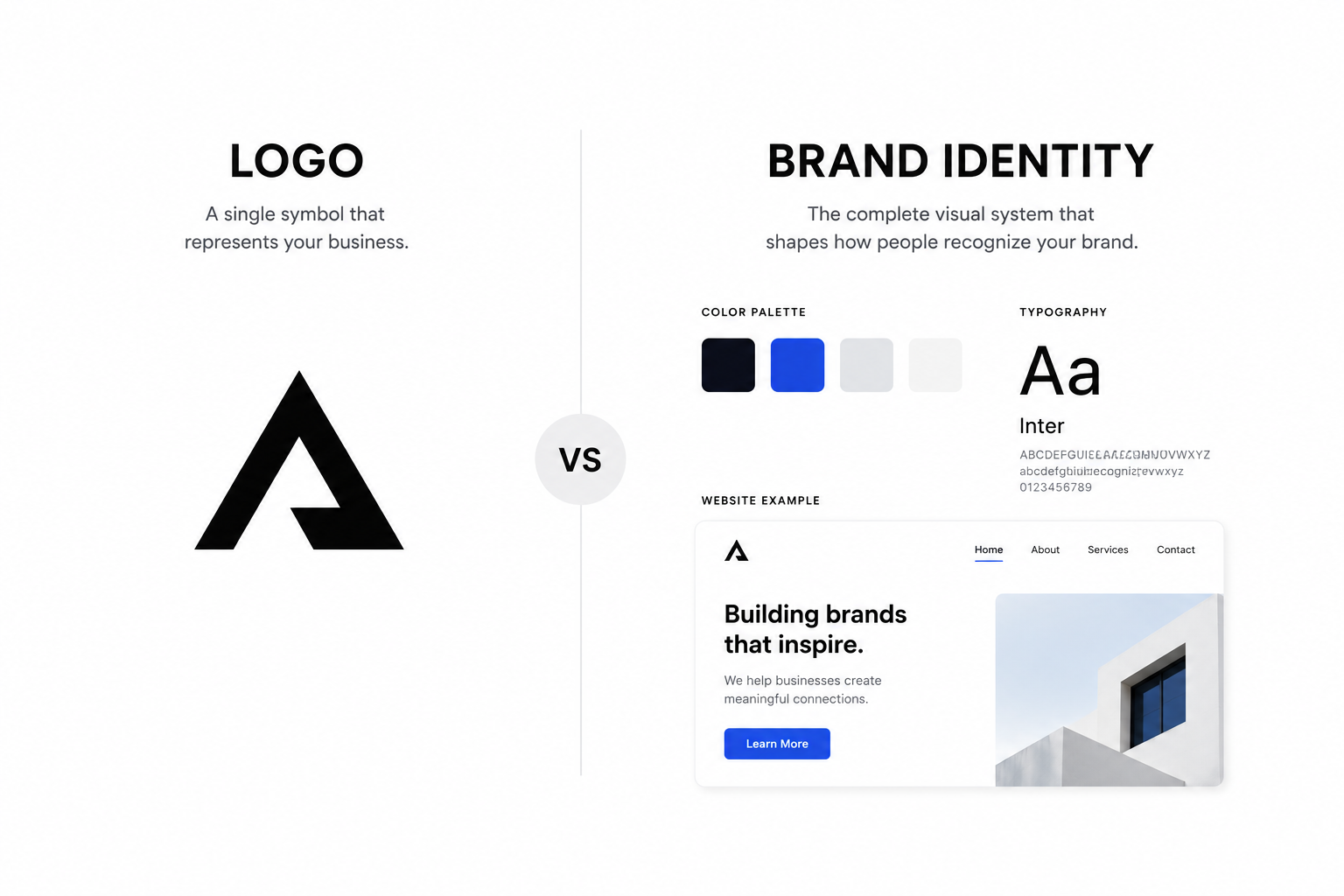
A logo is not a brand.
A website is not a brand.
A color palette is not a brand.
A brand is the overall perception people have about your company.
It is the feeling customers experience when they interact with your business.
Consider two companies with nearly identical products.
One company appears:
- Trustworthy
- Professional
- Reliable
The other appears:
- Inconsistent
- Generic
- Forgettable
The difference is branding.
Why Startup Branding Matters More Than Ever
Modern consumers have endless choices.
Whether you’re launching:
- A SaaS company
- An ecommerce store
- A consulting practice
- A restaurant
- A real estate business
customers can easily compare alternatives.
Strong branding helps businesses:
- Build trust faster
- Increase conversions
- Improve customer retention
- Command higher prices
- Generate referrals
In many industries, branding becomes a competitive advantage.
The Five Foundations of Startup Branding
1. Brand Identity
Brand identity includes visual elements such as:
- Logos
- Colors
- Typography
- Design systems
These assets create recognition.
A professional visual identity helps startups appear more credible.
Related: Best AI Logo Generator for Small Businesses
2. Brand Positioning
Positioning defines how customers perceive your company relative to competitors.
Ask yourself:
- Why should customers choose you?
- What makes your business different?
- What problem do you solve better than others?
Strong positioning creates clarity.
Weak positioning creates confusion.
3. Brand Messaging
Many startups spend weeks designing logos but only minutes crafting their messaging.
Messaging includes:
- Headlines
- Taglines
- Value propositions
- Website copy
- Marketing content
Clear messaging improves conversions.
Customers should immediately understand:
- What you do
- Who you help
- Why it matters
4. Customer Experience
Every customer interaction influences your brand.
This includes:
- Customer support
- Product quality
- Website usability
- Response times
- Communication
Many companies invest heavily in branding while ignoring customer experience.
That is a mistake.
Customer experience often becomes the brand.
5. Brand Consistency
Consistency creates familiarity.
Customers should encounter the same brand personality across:
- Websites
- Social media
- Email campaigns
- Advertisements
- Customer support
Consistency builds trust over time. Maintaining a consistent visual identity across websites, social media, and marketing campaigns strengthens brand recognition. Higgsfield AI, an AI creative suite, offers an AI Image Generator with image editing and consistent character generation to help businesses create branded visual assets across these channels.
Why Trust Is the Most Valuable Brand Asset
Trust has become one of the most important factors in purchasing decisions.
Customers evaluate:
- Reviews
- Testimonials
- Security
- Reputation
- Transparency
before making purchases.
Without trust, even the most attractive branding will struggle to convert visitors into customers.
Trust is built through:
- Consistent delivery
- Honest communication
- Positive customer experiences
It cannot be manufactured through design alone.
Building a Startup Brand on a Budget
Many founders assume branding requires a large budget.
That is no longer true.
Modern startups can create professional brands using affordable tools.
Areas to prioritize include:
- Logo creation
- Website design
- Content marketing
- Social proof
- Customer experience
A startup does not need a six-figure branding agency to appear professional.

Industry-Specific Branding Examples
Different industries require different branding approaches.
Real Estate Branding
Real estate clients prioritize trust and professionalism.
Related: Best AI Logo Generator for Real Estate Agents
Restaurant Branding
Restaurants benefit from memorable visual identities and emotional connections.
Related: Best AI Logo Generator for Restaurants
Consultant Branding
Consultants often rely heavily on personal branding and expertise.
Related: Best AI Logo Generator for Consultants
Common Startup Branding Mistakes
Treating Branding as a One-Time Project
Branding evolves as businesses grow.
Copying Competitors
Imitation rarely creates differentiation.
Ignoring Customer Feedback
Customers often reveal branding weaknesses before founders notice them.
Prioritizing Visual Design Over Trust
Trust drives sales.
Design supports trust.
The order matters.
How AI Is Changing Startup Branding
Artificial intelligence is making professional branding more accessible than ever.
Founders can now use AI to:
- Create logos
- Generate content
- Build websites
- Design marketing materials
This lowers the barrier to entry for new businesses.
The advantage no longer comes from access to tools.
It comes from how effectively those tools are used.
Branding Trends for 2026
Several trends continue shaping startup branding.
Simplicity
Brands are becoming cleaner and easier to recognize.
Authenticity
Customers increasingly value transparency.
Personal Branding
Founders themselves often become important parts of the brand.
Community Building
Successful brands create communities rather than simply selling products.
Frequently Asked Questions
What is startup branding?
Startup branding is the process of creating a recognizable identity that shapes how customers perceive a business.
Is a logo enough to build a brand?
No. A logo is one component of a larger branding strategy.
Why is trust important for branding?
Trust influences customer decisions and increases conversions.
How much should startups spend on branding?
Budgets vary, but many startups can create professional branding using affordable AI-powered tools.
Can AI help with branding?
Yes. AI can assist with logo creation, content generation, design, and marketing assets.
Final Verdict
Building a startup brand in 2026 requires more than visual design.
The strongest brands combine professional visuals, clear messaging, customer trust, and consistent experiences.
A logo remains an important starting point, but successful branding extends far beyond logos and color palettes.
Startups that focus on trust, positioning, and customer experience will be far more likely to build memorable brands that attract customers and support long-term growth.